CAREER DEVELOPMENT AND YOUTH EMPLOYMENT
Career Development and Youth Employment
Career development and youth employment are closely linked to the future of any society. Young people represent energy, creativity, and potential, yet many struggle to find meaningful work. High levels of youth unemployment remain a serious challenge in many countries, especially in developing economies. Career development plays a vital role in preparing young people for the world of work and helping them build sustainable livelihoods. When young people are guided, trained, and supported in their career paths, they become productive members of society and contributors to economic growth.
Career development refers to the process of learning about oneself, exploring career options, gaining skills, and making informed decisions about one’s future work. It begins at school, where learners are introduced to different subjects and career possibilities. Career guidance helps young people understand their interests, strengths, and talents. For example, a learner who enjoys science may be guided toward careers in healthcare or engineering, while someone with artistic ability may be encouraged to consider careers in design or media. Without proper guidance, many young people choose careers blindly or remain unsure about their future, which can lead to frustration and unemployment.
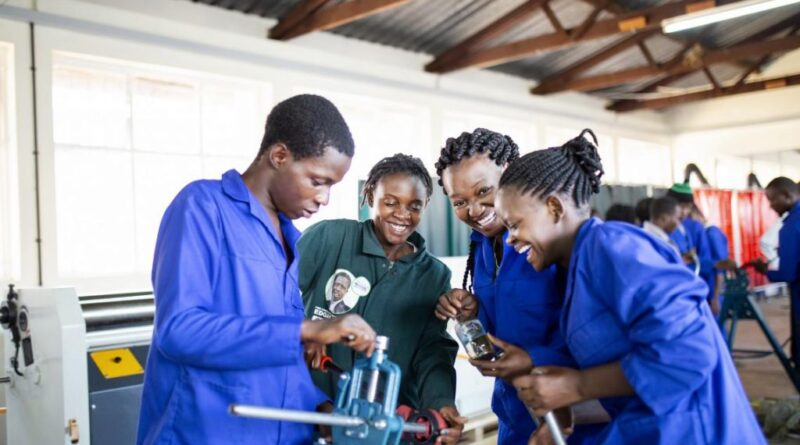
One of the most important aspects of career development is skills training. Employers are not only looking for academic qualifications but also practical skills. These include communication, teamwork, problem-solving, and computer literacy. Technical skills such as plumbing, welding, coding, and electrical work are also in high demand. Through vocational training centres, colleges, and learnership programmes, young people can gain job-ready skills that match labour market needs. Career development therefore ensures that young people are not only educated but also employable.
Youth employment refers to the availability of jobs for young people, usually between the ages of 15 and 35. Youth employment is critical because work provides young people with independence, confidence, and a sense of purpose. When young people are unemployed for long periods, they may lose hope and motivation. This can lead to social problems such as poverty, crime, substance abuse, and mental health challenges. Creating opportunities for youth employment is therefore not only an economic issue but also a social responsibility.
Education and training institutions play a key role in linking career development with youth employment. Schools, colleges, and universities must align their programmes with the needs of the labour market. For example, as technology grows, there is increasing demand for digital skills such as data analysis, software development, and digital marketing. Institutions that offer relevant courses help young people enter industries where jobs are available. Internship and apprenticeship programmes also provide valuable work experience, allowing young people to apply what they have learned in real workplaces. These experiences make young people more confident and attractive to employers.
Government and private sector initiatives are also important in promoting youth employment. Public employment programmes, youth wage subsidies, and entrepreneurship funding help young people enter the job market. Small businesses and start-ups are major contributors to youth employment because they create new jobs and encourage innovation. By supporting young entrepreneurs with training and financial assistance, societies can reduce unemployment and promote self-reliance among young people.
Career development also involves lifelong learning. The world of work is changing rapidly due to technology and globalisation. Some jobs that existed in the past no longer exist today, while new ones are being created. Young people must therefore be willing to adapt and update their skills throughout their lives. Short courses, online learning, and professional training help individuals remain relevant in the labour market. Career development is not a one-time decision but a continuous journey of growth and improvement.
Despite these efforts, many challenges remain in youth employment. A lack of work experience, limited job opportunities, and poor access to education and training make it difficult for young people to secure jobs. In rural and disadvantaged communities, resources such as career counselling, internet access, and training centres may be limited. This inequality prevents many young people from reaching their full potential. Addressing these challenges requires cooperation between government, businesses, educational institutions, and communities.
Another important aspect of career development is career planning. Young people need to set goals, identify required qualifications, and create clear pathways to reach their chosen careers. Career planning helps reduce uncertainty and increases motivation. When young people understand what steps they need to take, such as completing a qualification or gaining work experience, they become more focused and determined. Career mentors and role models can also inspire young people by showing them what is possible through hard work and dedication.
In conclusion, career development and youth employment are essential for building strong and prosperous societies. Career development equips young people with knowledge, skills, and direction, while youth employment provides them with opportunities to apply these skills in meaningful work. Together, they reduce unemployment, promote economic growth, and improve social stability. Investing in young people through education, training, and job creation is an investment in the future. When young people are given the right guidance and opportunities, they are empowered to build successful careers and contribute positively to their communities and the nation as a whole.